
How to Plan Balanced Meals Without Stress
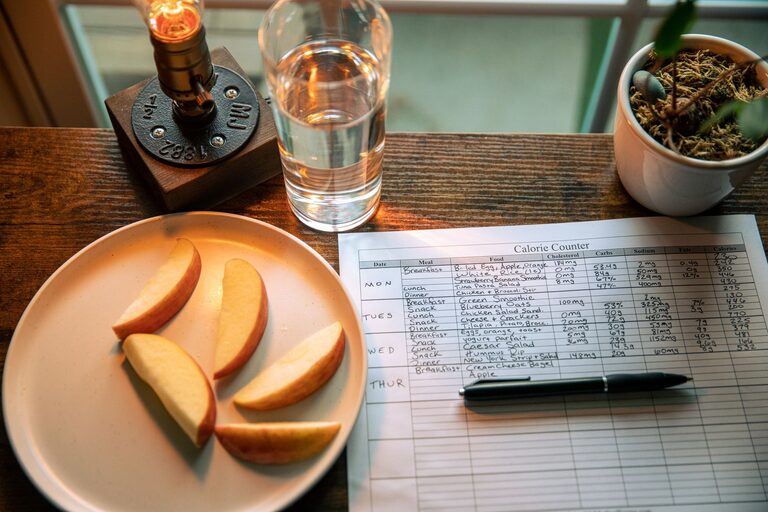
Planning balanced meals doesn’t have to be overwhelming. With a bit of organisation and practical strategies, you can enjoy nutritious, tasty food without the stress often associated with mealtime decisions. This guide will walk you through easy steps to plan balanced meals that suit your lifestyle, budget, and taste buds.
Why Plan Balanced Meals?
Balanced meals provide your body with the right mix of nutrients: proteins, carbohydrates, fats, vitamins, and minerals. Eating well supports energy levels, mental clarity, and overall health. Planning ahead helps avoid last-minute unhealthy choices, saves money, reduces food waste, and makes cooking more enjoyable.
What is a Balanced Meal?
A balanced meal typically contains:
– Protein: chicken, fish, beans, tofu, eggs
– Carbohydrates: whole grains like brown rice, quinoa, or whole wheat bread
– Healthy Fats: olive oil, nuts, seeds, avocado
– Vegetables and Fruits: a colourful variety to provide vitamins and fibre
– Dairy or dairy alternatives: milk, yoghurt, or fortified plant-based options for calcium
Step 1: Start with a Simple Meal Plan
Begin by planning meals for a few days or a week ahead. Here’s how:
– Choose a day to plan and write down your meals for breakfast, lunch, dinner, and snacks.
– Keep meals varied but simple to avoid boredom.
– Consider your schedule—plan quicker meals for busy days and more elaborate ones when you have time.
Step 2: Create a Shopping List
Once your menu is set:
– List ingredients needed for the week.
– Check your pantry and fridge to avoid duplicates.
– Stick to your list to prevent impulse buys.
– Consider buying seasonal fruits and vegetables for freshness and cost-effectiveness.
Step 3: Batch Cook and Prep in Advance
To save time:
– Prepare larger portions of staples like rice, pasta, or roasted vegetables.
– Chop vegetables and store them in airtight containers.
– Cook proteins in bulk and refrigerate or freeze for later use.
– This approach reduces daily prep time and makes meals easier to assemble.
Step 4: Embrace Flexibility and Leftovers
Meal planning doesn’t have to be rigid:
– Use leftovers creatively in salads, wraps, or soups.
– Swap ingredients based on what’s available or your mood.
– Allow yourself some meals “off-plan” to keep things enjoyable.
Step 5: Keep Meals Balanced and Easy
Here are some easy balanced meal ideas:
– Lunch bowl: quinoa, grilled chicken, roasted vegetables, a handful of spinach, and a drizzle of olive oil.
– Stir-fry: tofu or lean meat with mixed vegetables served over brown rice.
– Breakfast: porridge topped with nuts and fresh fruit.
– Snack: Greek yoghurt with berries or a handful of nuts.
Tips to Avoid Stress
– Don’t aim for perfection: Some days will be more balanced than others, and that’s okay.
– Keep recipes simple: Choose dishes with few ingredients and easy steps.
– Get the family involved: Let others help with meal prep or choosing meals.
– Use helpful tools: Cookbooks, meal planning apps, or printable planners can keep you organised.
– Stay stocked with staples: Keep pantry basics like canned beans, frozen vegetables, and whole grains on hand.
Conclusion
Planning balanced meals can become a straightforward and enjoyable routine with a little preparation and flexibility. By focusing on simple meals, batch cooking, and sensible shopping, you’ll reduce stress while nourishing yourself and your family with wholesome food. Remember, the goal is progress, not perfection — every small step counts towards a healthier lifestyle. Happy meal planning!